40–60%
faster service resolution

Simplifying customer experience
dtWorks unifies customer engagement, workflows and back-office systems for faster, connected service.

dtWorks is a customer service management platform from Bahwan CyberTek that unifies omnichannel engagement, case management, workflow automation and service monitoring. Built for enterprises and government agencies, it connects CRM, ERP, ITSM, billing, contact centre, data lake and e-service platforms. The result: fewer manual handoffs, faster SLA-driven resolution, and one shared view of the customer.
See the measurable impact of connected service in action.
40–60%
faster service resolution
Up to 80%
first-call resolution
30%
reduction in revenue leakage
Disconnected teams duplicate work across tools, with no shared record of what’s already been done.
Data sits across systems, forcing agents to piece together the customer story mid-conversation—slowly and incompletely.
Manual requests and approvals don’t scale. As volume rises, service levels suffer without added headcount.
Customers switch between app, portal, WhatsApp and email, restarting each time because channels don’t share context.
Customers and users call or email for requests they could self-serve, adding avoidable demand to teams already at capacity.
Issues surface only after users report them. Without early warnings, teams recover from problems instead of preventing them.
dtWorks unifies customer engagement, case management, workflows, orders, billing, service monitoring and reporting in one platform, connecting front- and back-office teams.
Engage customers across web, app, WhatsApp, chat, email, social and kiosks, with every interaction in one record.
Track interactions end to end with AI-assisted classification and routing, getting cases to the right team faster.
Give teams one view of customer insight, service status, account, invoice and payment history, tailored by persona.

Design and orchestrate workflows across applications, reducing manual effort in approvals, escalations and routine steps.
Enable self-service through portals and chat for requests, status checks, renewals, payments and other common needs.
Monitor services in real time, track SLAs and tickets, and trigger escalations before commitments are missed.
Manage service catalogues, orders, fulfilment, contracts, invoicing and payments across the service-to-cash cycle.
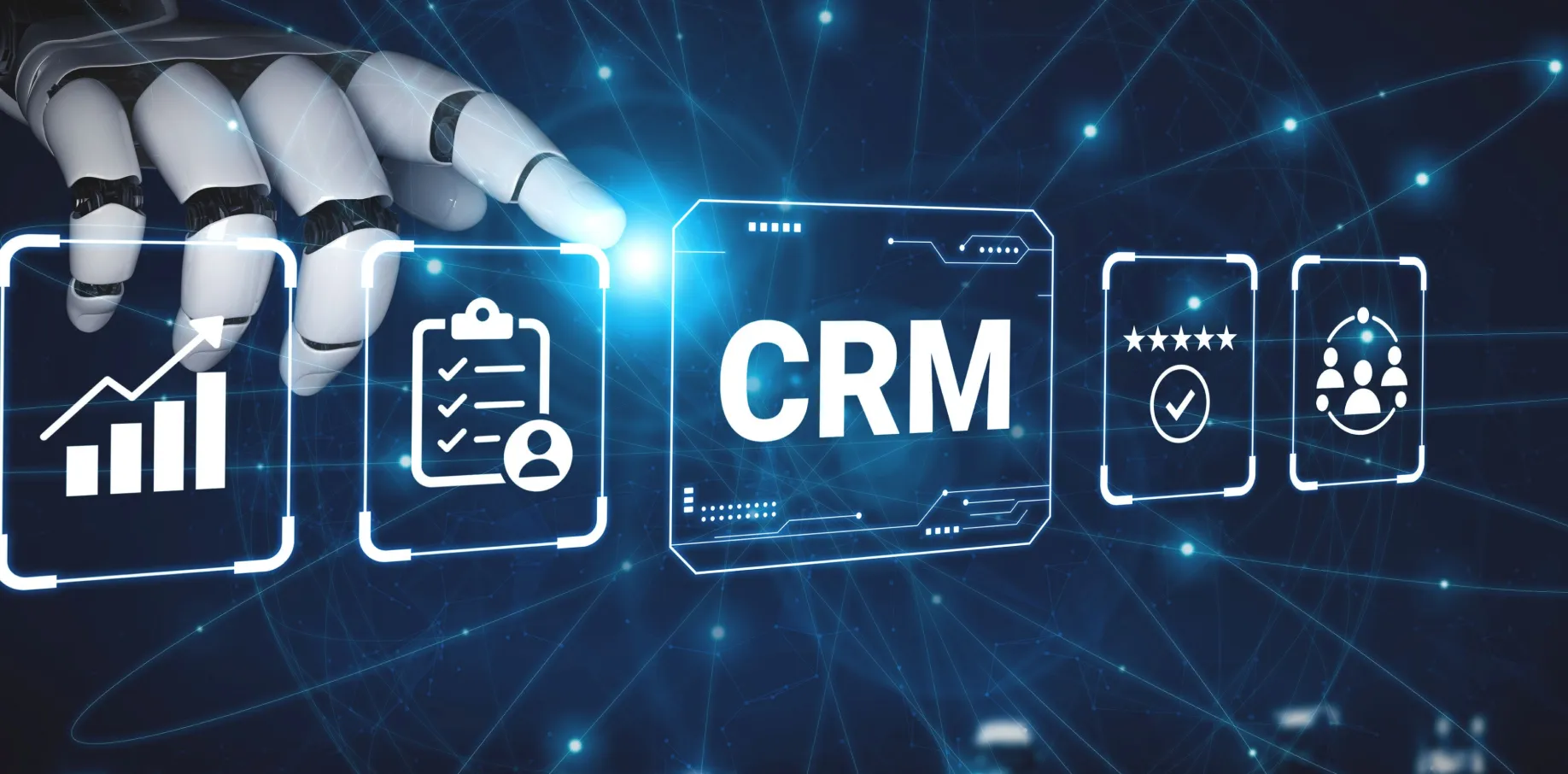
Use built-in dashboards and reports to track KPIs, service utilisation and operational performance across teams.
dtWorks turns scattered conversations and systems into one managed service operation, in four steps:
dtWorks integrates with the systems already running the business — CRM, ERP, ITSM, billing, contact centre, data lake and e-service platforms — and with the channels your customers already use.
Requests arrive from any channel into one queue. Agents work with full customer, account, service and billing context on a single screen instead of switching between systems.
Workflows classify, route and progress each case. SLA tracking, event-driven automation and escalation handle the steps teams used to do by hand.
Dashboards, KPIs and correlated service data show where resolution slows, where demand is building and which issues to act on before customers report them.
One view of customer insight, service, account, invoice and payment history, helping agents understand context and act faster.
A live case queue shows classification, routing, SLA and escalation status, helping supervisors act before breaches occur.
Customers, citizens and dealers can raise requests, track status, renew and pay across web, app, WhatsApp or chatbot.

Run BSS operations end to end with omnichannel support, orders, billing, dealer self-care and SLA-driven ticketing.

Deliver citizen services digitally with applications, approvals, renewals, payments, documents and admin dashboards.

Handle requests and complaints across channels with full context, governed access and auditable workflows.

Manage service requests, connections and outages with automated routing, SLA tracking and self-service.
Integrates with CRM, ERP, ITSM, billing, BI, GIS and more through APIs, connecting systems without replacing them.
Configure forms, workflows and templates to launch new services across departments without rebuilding the platform.
MFA and role-based governance control who can access and act on data, services and workflows across the organisation.
A central data foundation supports high volumes of users, channels and services without re-platforming.
Customer-facing businesses choose BCT because it is:
More systems do not make service simpler. dtWorks connects engagement, operations and enterprise systems in one service layer—so teams share context, act faster and move from reactive service to proactive resolution.
Most organisations run engagement in one set of tools and service delivery in another. dtWorks holds both, so a conversation and the work it triggers stay on the same record.
dtWorks connects to CRM, ERP, ITSM and billing rather than replacing them — the gaps between those systems are the problem it is built to close.
Correlated events, early warnings and event-driven automation let teams act on emerging issues rather than waiting for the ticket that reports them.
Discover how we help enterprises transform challenges into lasting business value.
Perspectives that define the future of customer experience
Tell us how your service operation runs and BCT will show where dtWorks removes handoffs across channels, systems and SLAs.
dtWorks is a customer service management platform from Bahwan CyberTek that unifies omnichannel customer engagement, case and interaction management, workflow automation and service monitoring in a single platform. It is built for enterprises and government agencies handling high volumes of customer, citizen and internal service requests.
dtWorks captures service requests from any channel, routes them to the right team, automates the workflow behind them and tracks resolution against SLAs. It connects that activity to customer, account, order and billing data, so service teams work from one record instead of switching between systems.
dtWorks is used in telecommunications, government, utilities, and banking and insurance — organisations with high volumes of customer or citizen service requests and complex internal workflows. Typical deployments include omnichannel customer support, digital citizen services, internal helpdesks, order management and billing operations.
Yes. dtWorks handles pre-sales and post-sales interactions across web, mobile app, WhatsApp, chatbot, email, social channels and kiosks. Every interaction lands in the same customer record, so a conversation that starts on WhatsApp and continues by email stays as one case with one history.
Yes. dtWorks uses an API-driven architecture to integrate with CRM, ERP, ITSM, billing, BI, GIS, OMS, DMS, data lake and e-service platforms. It is designed to bridge the gaps between existing enterprise systems rather than replace them, so it fits into the current landscape.
dtWorks removes the manual handoffs between channels, teams and systems. Cases are classified and routed automatically, SLA status is tracked in real time, and agents see the customer's full service, account and billing context — which shortens resolution and raises first-call resolution rates.
Workflows are built in a configurable designer and orchestrated across connected applications. dtWorks classifies and routes incoming cases, progresses approvals and escalations automatically, and uses event-driven automation to trigger action on service events without waiting for someone to raise a ticket.
dtWorks applies AI to interaction tracking and case handling — classifying and routing incoming requests, supporting agents during resolution, and identifying patterns across service events so teams can act earlier. The workflow, SLA and integration layers underneath run on rules you configure, not on AI alone.
Talk to a BCT dtWorks specialist. Share your industry, channels, current systems and service volumes, and the team will map dtWorks to your service operation and show where it removes manual handoffs — using your own process, not a generic demonstration.